A Time to Remember That What We Need Can and Must Be Fought for and Won: When Our Breath and Heart Find Each Other

The winter holidays⎼ they bring up so much for so many of us. As with many others, I have almost always looked forward to the holidays. When I was a child, I looked forward to gifts and family celebrations. As a student and teacher, I looked forward to a vacation from work. Now that I’m retired, my focus is on getting together with family and friends. However, there were years in college that I dreaded the holidays, especially the New Year. If I didn’t have a family gathering, a party to go to, friends to be with, a date, the holidays could be lonely and alienating.

And this year especially, so hurtful. The cost of toys, presents, for example, are just too expensive. The cost of simple living is too expensive. My wife and I ignore gift-giving for ourselves. The only gift we give each other is our presence. Yet, for the children we know and charities⎼ it’s a different story. And the commercialization obscures if not undermines the deeper meaning of such moments in time.

The holidays could be so rich. Hanukah is a festival of light and freedom. Kwanzaa of family, community, and culture. Christmas of joy in the birth of Jesus. So much meaning in the depths of the holidays.

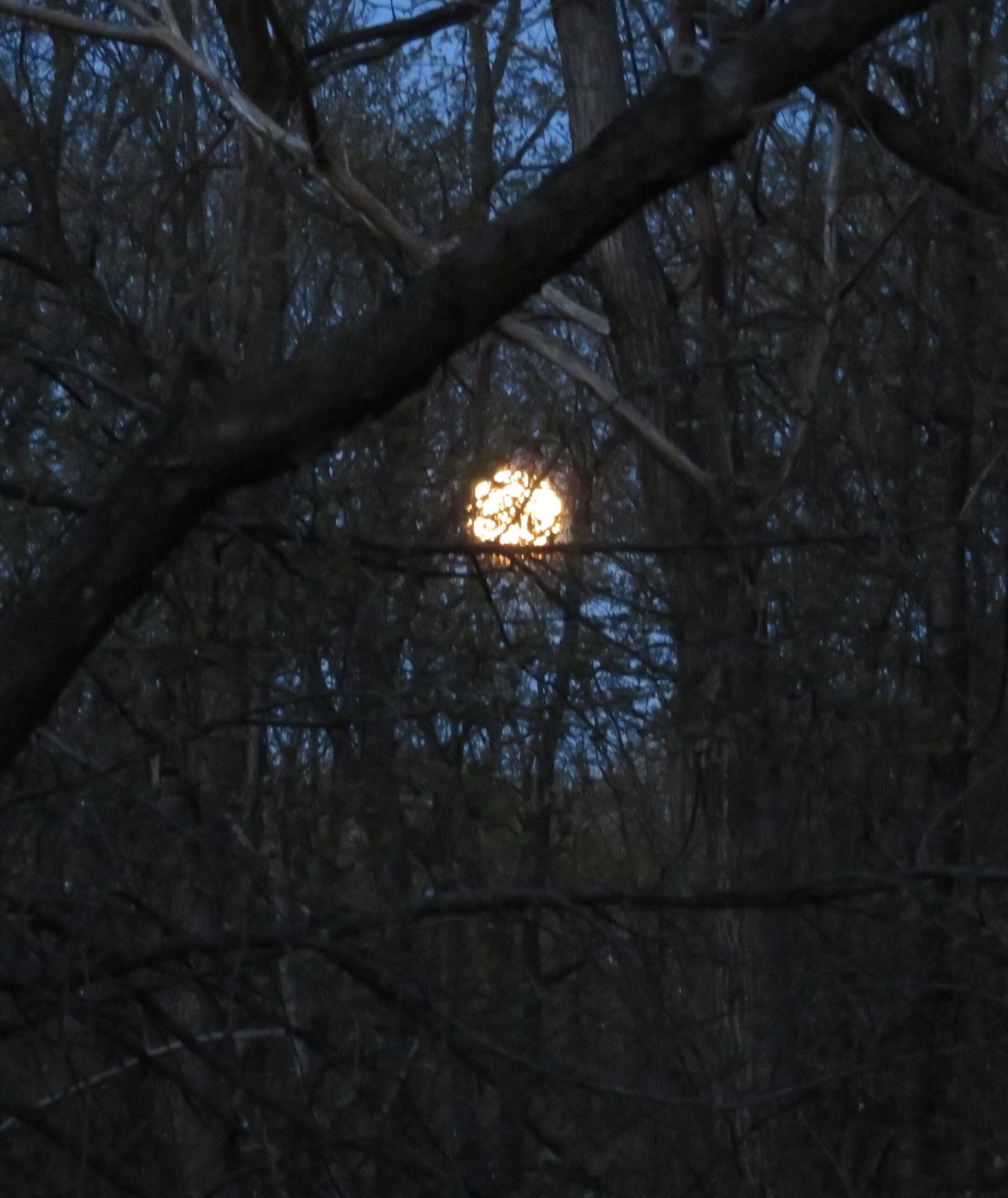
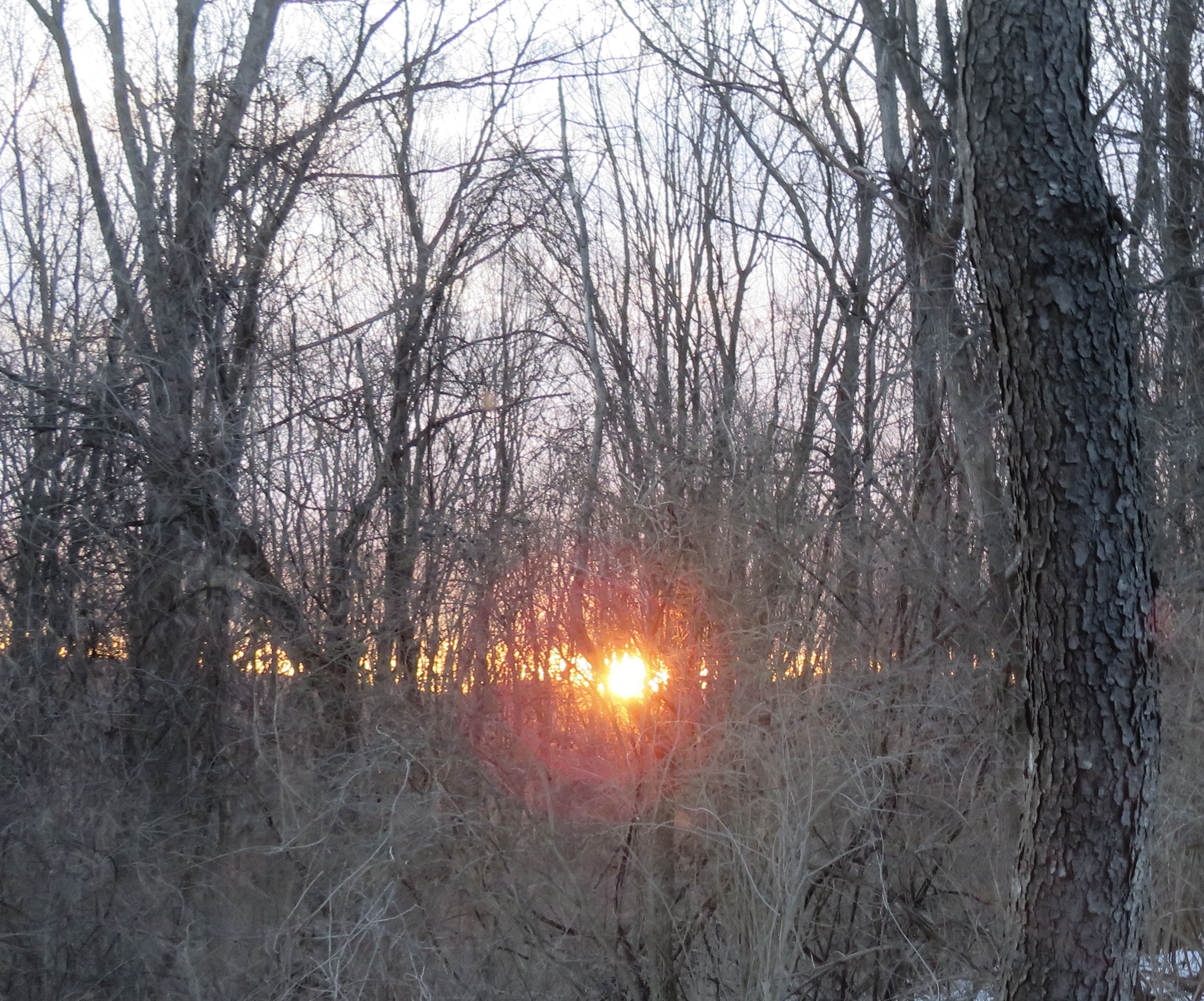
The solstice was just last week. Humans have, possibly forever, celebrated solstice, the longest reign of night, and the beginning of the cold, at least in the Northern hemisphere where I live. It’s traditionally a time to engage in rituals to assure that the sun will come again, that spring will follow winter, warmth follow cold, renewal follow hibernation.

The holidays thus have a sacred dimension, a connection to a depth of life and history. Maybe every moment does, too. Their significance is not just religious. The holidays celebrate workers getting a break from intense labor. They signify a recognition of shared humanity, however dim that recognition often was in the past and might be so today.

Every one of us needs time to rest, even for those who get no time off for the holidays. The fact that we have days of rest is beyond a right; it’s a sacred necessity.

Every one of us needs time to step back and contemplate why we’re here on this earth. We need to renew ourselves and our relationships with what surrounds us⎼ to stop, maybe close our eyes and allow ourselves to feel our feet on the ground. To feel right now, there’s no separation⎼ we can never step off the earth or out of the universe that sustains us. Realizing this is a sacred awakening.

We might also feel isolated from others. But we carry other people with us always, in our memories, in our language, in our genes, in our hopes and dreams. Feeling this is a sacred remembrance. When we feel isolated, we’re afraid. When we feel present, fear is diminished.

And there have been moments lately when I just start crying internally. I almost never let it out. Who knows what will emerge. Maybe holidays are here so when no one⎼ or just one dear someone⎼ is around, our breath and our heart can find each other.

In the past, people from many nations fought for a five-day workweek, fighting against those who oppressed them⎼ and they were successful. But today, many are forced to work more than one job just to meet basic economic needs, while the DT regime cuts programs like SNAP, MEDICAID, Headstart, school lunch programs that once helped make life possible for many. He’s working to undermine the power of the people, and is giving to the rich whatever they can steal from the rest of us.


*This is a rewrite of an older blog.

**To read the whole post, please go to The Good Men Project.
Our Families Are a Door to Infinity: Asking Questions Before It’s Too Late

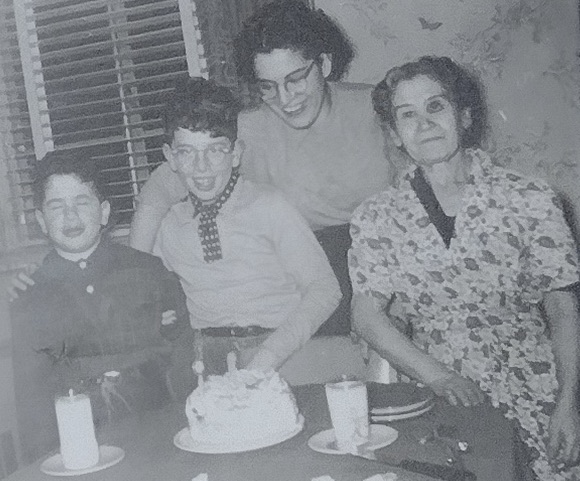
When I was growing up, I just didn’t think to ask my parents or my grandparents about “the old country” or their own childhoods. When my father was in his nineties and my mother had already passed away, I realized the time I had with him was coming to an end. He had in his memory a whole history of our family and of this country, that I knew little about. I didn’t want to lose all those connections. So, during the last year or two of his life, whenever possible, we looked through old photo albums and I asked him about his childhood and parents, but even he knew or said little of his family’s background in Europe.


My grandparents all came from eastern Europe, Russia, Poland, and Ukraine. Did I hear so little about their lives before coming to the US not only because I seldom asked but because the memories were so intertwined with trauma? Had they felt deprived of their voices?


In  the novel Wandering Stars, by the mid 19th and early 20th century novelist and playwright Sholem Aleichem, one of the main characters sings a prayer in a “plaintive, authentic Yiddish melody.” It captures well one aspect of the lives of the characters in the novel, which takes place in a small Russian shtetl or predominantly Jewish market town at the end of the nineteenth century.


“…Dear God, the truth of exile

Is told in tears.

How long, how long, dear God, The awful fears

Of being beaten, driven

And no one cares.

When, oh when, dear God, wilt thou

Be who hears…”


Life wasn’t all pogroms and terror. There was love, family, and friendship. There was the Yiddish Theatre, religion, art and creativity. The singer was herself a possible future recruit for the theater. The culture and time described in the novel was also the culture and time into which my grandparents were born. Had they, like the fictional characters, lived in Europe as exiles from a “promised land,” or promise of home?


When I was young, my family lived in a ranch style house in a suburb of New York City. My grandmother on my mother’s side lived with us, with me, my parents, and brother, for half of the year. The other half, she lived with my aunt. Grandma was a short woman, in her sixties or seventies. She spoke little yet tried to live in accord with her memory of traditional ways of living and believing. When she was with us, for example, we ate Kosher meals so she would feel comfortable. But when she was gone from our house, she didn’t try to tell us how to live. And she provided a link to a reality, a history beyond what we knew in the U. S.


Despite her age, she could be fiery and passionate. She hated violence, for example. Maybe she’d seen too much growing up. One time, 2 older boys started a fight with me right in front of our house. I was actually holding my own against the two when grandma came rushing from the house with an umbrella in her hand. She started beating on the two attackers until they ran away. Then she started beating on me, while yelling “never get in fights. Never. Never.”


One evening, when I was six or seven, she and I were home alone…


*To read the whole piece, please go to The Good Men Project.

Opening Doors in Time and Mind: The Bookstore Resistance

It was such a comforting moment. I was reading a book where the main character, a bookseller, was watching a customer reading the classic novel, The Count of Monte Cristo. The man was old and seated in a cushioned chair, at a table, sipping coffee. Books were scattered everywhere, not just on the wood shelves. There was mismatched artwork on the somewhat peeling walls. Lights hung from the ceiling creating areas of clarity amidst the soft darkness. Snow increasingly falling outside as the world turned dark. Yet inside, it was warm. A fire was going in the woodstove. Such a comforting moment.


The Book of Doors by Gareth Brown is part urban fantasy, part mystery and adventure, part romance⎼ and partly an examination of the psychological effects of pain and grief. Shortly after the book begins, the main character inherits a magical book that allows them to travel from any unlocked door to any other they can clearly imagine. There are all sorts of magic books in the story⎼ a book of shadows, for example, enabling the holder to disappear and become a mere shadow passing through any space. There’s a book of Illusions, one of luck, destruction, etc.


We never know what a book might reveal. They’re all around us or used to be. Like doors. Like places in the mind, or in our homes, schools, or workplace; memories, ignored bits of reality. Places we can step through to taste or digest; or to dwell fully and beautifully. Some with a hidden power.


When I was 18 or 19, I walked through an open door into the old Barnes & Noble Bookstore in the Village, on 8th Street & 6th Avenue, in downtown New York City. Back then, it was a smaller, more intimate store, not like the chain stores of today. I was just wandering the aisles, hoping to find a treasure, when I noticed a man and woman, maybe in their 70s, in the philosophy section in the back of the store. They were discussing the French activist and philosopher, J. P. Sartre and his concept of authenticity. They were both dressed in old but expensive clothing. The woman looked sort of regal, the man very professorial. They intrigued me but I respected their privacy and felt too embarrassed to get close enough to listen in on their conversation. So, I moved on.


I ran into them 2 more times. One time was at a lecture on Thoreau in an upper middle-class neighborhood on the West Side of Manhattan. Someone at the lecture told me they had escaped from the Nazis in Austria. I don’t know the truth of this, but supposedly she was from a noble family, and he was a professor, but I don’t remember in what field. And later, back downtown on 6th Avenue, I was surprised to see the woman alone on the street, begging for money, and aggressively berating those who pretended not to see her.


Another doorway, in a recent dream. I entered what at first appeared to be the home I grew up in, where my parents lived for almost 30 years after I moved out. But in the dream my parents had sold that house. The dream home was slightly different, and in bad shape. The bathroom was not working. I had to sleep on the couch in the living room, not my old bedroom.


And my parents were very old. Someone said my mom was near death. My dad was in only slightly better shape. All at once, several people I didn’t know, mostly younger, in their twenties or thirties, came out from the back of the house, talking loudly amongst themselves and crowding the living room. Outside, through a window, I saw someone park, get off a motorcycle, and walk away. One of the younger people claimed the bike had been stolen and now returned. My dad, who had never in his life been on a motorcycle let alone driven one, put on a leather jacket and helmet, climbed on the bike, and tore off. Maybe he had stepped through a doorway to a younger self, as he looked so much younger, with his back straighter than it had been in years…


*To read the whole article, please go to The Good Men Project.


A New Kind of Dream: Maybe A New Form of Reality

Over the last two weeks, I’ve been having a new kind of dream, or one that’s new for me; one that clearly changes its plot over a night but not its trajectory or theme.


The first one I remember occurred last week. It involved being asked to come back to the alternative secondary school where I taught for 27 years and teach one of my old classes. Maybe there was a shortage of teachers, or one would be out sick for a while. In one version, it was a philosophy course called Questions. In another, it was a history course, The Historical Development of Human Ideas.


The first course, Questions, was just that. It was built around what the students and I chose as the deepest questions in our lives. It always started with different versions of the same question: How do we face death? It always ended with what is an ethical life. In between, it could be about love, meaning, reality and truth. Or do we have free will, and what is mind?


The history class began by asking who are we? What, if anything, can we say is characteristic of us humans? And what are the biggest problems you are concerned about in the world today? We spent the first and second day analyzing which of these problems are most basic and underlie the others. Then, the rest of the year, answering: from the ancient beginnings of humanity, what do you think are the roots of these problems? The final exam would be following a strand through pre-history and history of how that problem changed and developed.


But in the dream, I questioned whether I knew enough to teach the history, or either course. Not only because so much of what we know about human history and pre-history has changed over the years, or been clarified. But because we, human society, has changed so much since I retired in 2012. The students are now in a far different place and are suffering so much. We’ve been facing the threats of DJT and covid and more clearly recognize the threat posed by the climate emergency.


We’ve gone through so many assaults on public education since President Reagan; but lately even more so, on what books can be allowed in a school library, and what courses can be taught. Whether the most accurate information on who we are as a species and who we are as a nation could be shared with students.


One question that was often asked by students then was: what are the roots of racism, sexism, antisemitism, etc.? That question is now outlawed in some states. Maybe the asking of all real, sincere questions will be outlawed next.


There’s been so much trauma over the last 6 or 7 years. Could the philosophy course even ask about death when we’ve seen so much violence and death? Or would it be even more important? In history class, would the teaching of the roots of hate be allowed? And what new questions would students have? One of the most frequently asked questions back then was How has our relationship to the environment changed over the years? And would the question today be, can we survive?


The more recent dream was even more dramatic….


*To read the whole piece, please go to The Good Men Project.

Meaningful Rituals: Fostering Compassion, Honesty, and Social Cooperation Instead of Hate, Violence, and Social Disintegration

When I was growing up in the 1950s and early 1960s, I remember dreading many social rituals, especially those that had to do with death. I felt a funeral or memorial service, for example, was more to hide grief then help us face it. It felt like we, society, were going through the motions but had lost the substance. That was one of the messages I remember from the 1960’s, and afterwards; we needed to restore meaning to our shared social institutions.


Since then, our nation has developed new rituals or revived old ones, maybe ancient ones. Recently, I attended a memorial which was called a Celebration of Life of the deceased. A participant called it a tribute. Instead of the service being led by a Rabbi or Priest, someone paid to do it and not closely known to the people involved, the event was led by the husband, daughter, and friends. It involved laughter and photos shared, tears shed, and songs sung by family and friends.


But mostly, it was an afternoon of heartfelt stories. Instead of a campfire, we all gathered around our computers for a Zoom ceremony. And we were treated to great tales, some we knew, many we didn’t. The person came so alive to us. It was a sort of a resurrection, but without any religious attachments.


We valued the person and saw how valued they still were by so many. And this reminded us of our own value. By honoring one person in this way, the humanity of all of us was revealed, in a depth and breadth we hadn’t often felt before. We remembered how amazing a mother and dear friend she was, and suddenly felt befriended and loved. The deceased was seen in a larger dimension than many of us had often seen them. And in this realization, we ourselves were raised into a larger dimension.


Several good friends mentioned the deceased was very politically engaged, sincere, and committed, clearly illustrating with their life that the personal was political. How we act in our personal lives, with friends, family, and neighbors, is the root of the type of society we create.


The same thing is happening today with our political involvement, as is happening with some social rituals. Many of us had previously felt that who governed mattered little. That the voice and interests of the people were not being protected. That voting was an empty ritual. Or maybe, because we didn’t participate or weren’t allowed to, the ritual of politics lacked truth and meaning.


No longer….


*To read the whole article, please go to The Good Men Project.

That First Taste of Consciousness: The Family of Awareness Is Infinite

Just imagine the moment when the first human being, hominid, or whomever first became conscious. Not just when a human felt for the first time their feet on the earth; but the first time any hominid was aware they were aware of where they placed their feet and where they were going. First became aware of the beauty in the scent from a flower, or in a sunrise, or first became aware of a memory of a bad morning.


One of my closest friends was talking about this with me on a recent Zoom call. What a powerful moment to consider. Was there ever such a moment? Or has consciousness always, somehow, been part of nature?


And this image can tease us on so many levels. Think of a baby. When is it first aware of itself? In the womb? At birth? When someone takes away its toy, a parent calls its name, or leaves them alone? Or it cries when another infant or its mother cries?


Anthropologists and others speculate humans had an increase in consciousness somewhere between 60,000 and 30,000 years ago, when the first art caves were created, or maybe when the first languages were developed. Or maybe before that? Art and written language are likely indicators of conscious awareness.


Human consciousness is doubly aware. Our species name is, after all, homo sapiens sapiens, humans twice wise. We know (somewhere inside us) by knowing we know. Conscious means con, or with, scio, to know, or know with. I thought about this in a recent blog. This allows us to reflect on our actions, thoughts, and feelings and learn from the subtlest levels of all of them.

It allows us, when we hold hands with someone we care about, to not only feel their hand and ours but know we feel it.


This double awareness can give us the ability to abstract and imagine, to plan or time travel, or substitute an idea for a perception. We can use words to symbolize most anything, including a self, or evoke something in us, to dream, to craft, and to understand reality.


Words enable us to leap into a story, one of our own making, or one we adopt from someone else. We prepare ourselves for a future event by telling a story of it. We can name a type of feeling as worrying, dreadful, or lovely. Or talk about something instead of experiencing it. We can distance ourselves from something or stick ourselves to it.


Thus, our double awareness can confuse us. It can provide our greatest gifts as well as the source for our greatest suffering. Language and the ability to distance ourselves mentally and emotionally from aspects of the world can create a false sense of separation between the one who knows and what is known. By telling ourselves stories we can create anxiety as well as excitement over what might never be. Since words are abstractions masquerading as objects and other beings, they can deceive us. They create illusions as well as revelations. Because they can help us, they can hurt us….


*To read the whole article, please click on this link to The Good Men Project.


Teaching Mindfulness and Compassion Through Seasonal Moments

To understand the season, winter, spring, summer or fall, what must we do? What is a season? Understanding the seasons is not just a matter of looking at a calendar or being aware of what the weather was yesterday, and the week or month before that, or today.


It is not simply exploring the basic science: The earth rotates, causing day and night. And it is tilted on an axis, so it follows a path around the sun. In summer one half of the earth faces the sun more directly so it gets the light from the sun more intensely and for a longer period of the day. The other half experiences winter, as it is turned away from the sun.


To understand what the seasons mean to us, we utilize memories of past years, and past moments. We become aware of how everything is constantly changing. That life itself is change. One minute is different than the last.


And we must be aware how we, also, change. Not just our moods, sensations and thoughts, but how we feel as the earth changes.  We and the earth change together, although maybe not in the same way or at the same pace. Because the earth moves around the sun and is tilted at a certain angle, we experience sensations of cold or warmth. We become aware of what it feels like to be alive on this earth in this particular moment.* We become aware that to understand the seasons we must understand the being who is doing the studying, namely ourselves.


And one way to generate compassion for other humans is to imagine how people throughout history have tried to live a seasonal moment similar to this one. Here are two seasonal mindfulness practices. As with any guided meditation or visualization, please try these practices yourself before sharing them with your students. Make adjustments to fit their needs and history.


Winter


You might ask students: What purposes, ecologically and psychologically, might the seasons serve?  In the fall, when you see the first snowfall, what do you feel?

In November, when we set the clocks back, what do you feel?


I know some people love the snow and look forward to winter. When I was still working as a teacher, I remember the joy that filled the school with the first snowfall. Students could barely focus on the academic lesson when Mother Nature had a deeper lesson in store for us. They would rush to the window and look out with wonder. Each snow was the only snow they had seen, ever, so beautiful and exciting.


Yet, for others, winter is a turning in. We cuddle within an extra blanket of clothing to find something kinder than the chill we get from fear and doubt. We wonder if the warmth will ever return. Will the earth ever bear fruit again? Will the dark continue to dominate the light?…


*The Dharma of Dragons and Daemons, by David Loy, can be extremely helpful for developing lessons using modern fantasy literature and films to teach lessons about time, nonviolence, and engaging in the world.


To read the whole post, go to: MindfulTeachers.org.


Embracing Winter: And the Dread that Spring Will Never Return

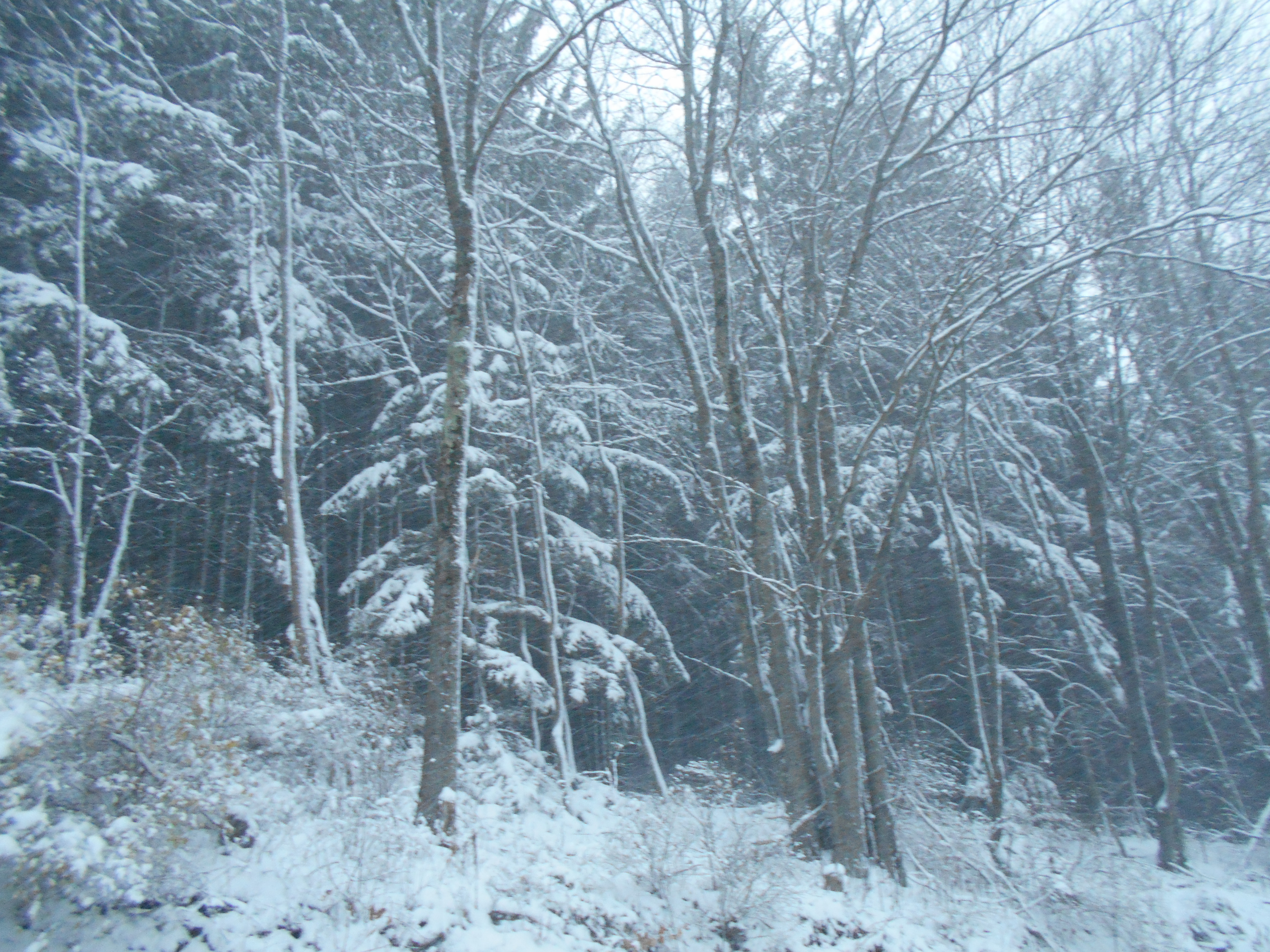
I am looking out my second story bedroom window into the old orchard that surrounds the house and is being covered in snow. The snow makes the wind visible in constantly shifting currents. One minute, the whole earth seems to pause as if it was taking a breath in. The frozen wind disappears. And then, it breathes out and the frozen fury appears.


In November, when we set the clocks back, I felt a sense of trepidation, a fear of the approaching winter and of what it might bring with it. This year might bring more fear than most, due to the unstable political climate. Now, it’s almost the solstice and the holidays. Winter is clearly here, despite the calendar date. Snow covers the ground. It’s cold and the nights are longer and the daylight disappears faster each day.


I know some people love the snow and look forward to winter. When I was still working as a teacher, I remember the joy that filled the school with the first snowfall. Students could barely focus on the academic lesson when Mother Nature had a deeper lesson in store for us. They would rush to the window and look out with wonder. Each snow was the only snow they had seen, ever. The first snow, beautiful and exciting.


Yet, for others, winter is a turning in. We cuddle within a new skin or shell, not only of warm clothing, but of doubt. We wonder if the warmth will ever return. Will the earth ever bear fruit again? Will the dark continue to dominate the light?


And probably ever since there have been human beings, ever since there has been life on this planet, this dread has been experienced. Not only due to snow⎼ or ice-covered orchards and roads ⎼ but the earth itself turning within.


Somehow, we need to embrace rather than turn away from this challenging time, and appreciate this snow fall, the light reflected off snow drops, even the feel of being cuddled by warm clothing. The felt need to get to work, school or wherever can create a conflict within, set us at war with ourselves, and make it difficult to embrace this time. So, we need to be aware of our own warmth. …


To read the whole post, please go to The Good Men Project.

Books, Bookstores and Histories

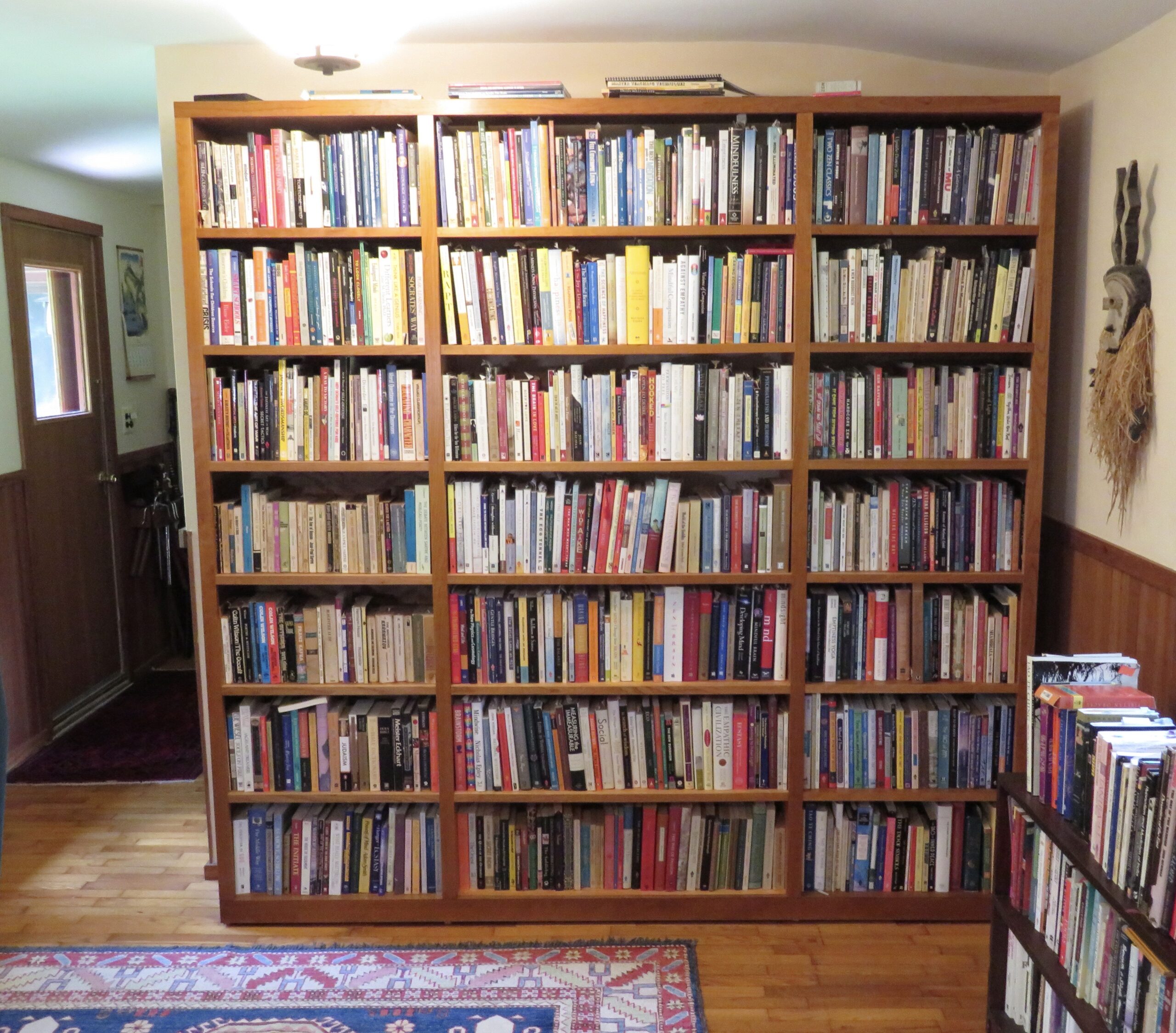
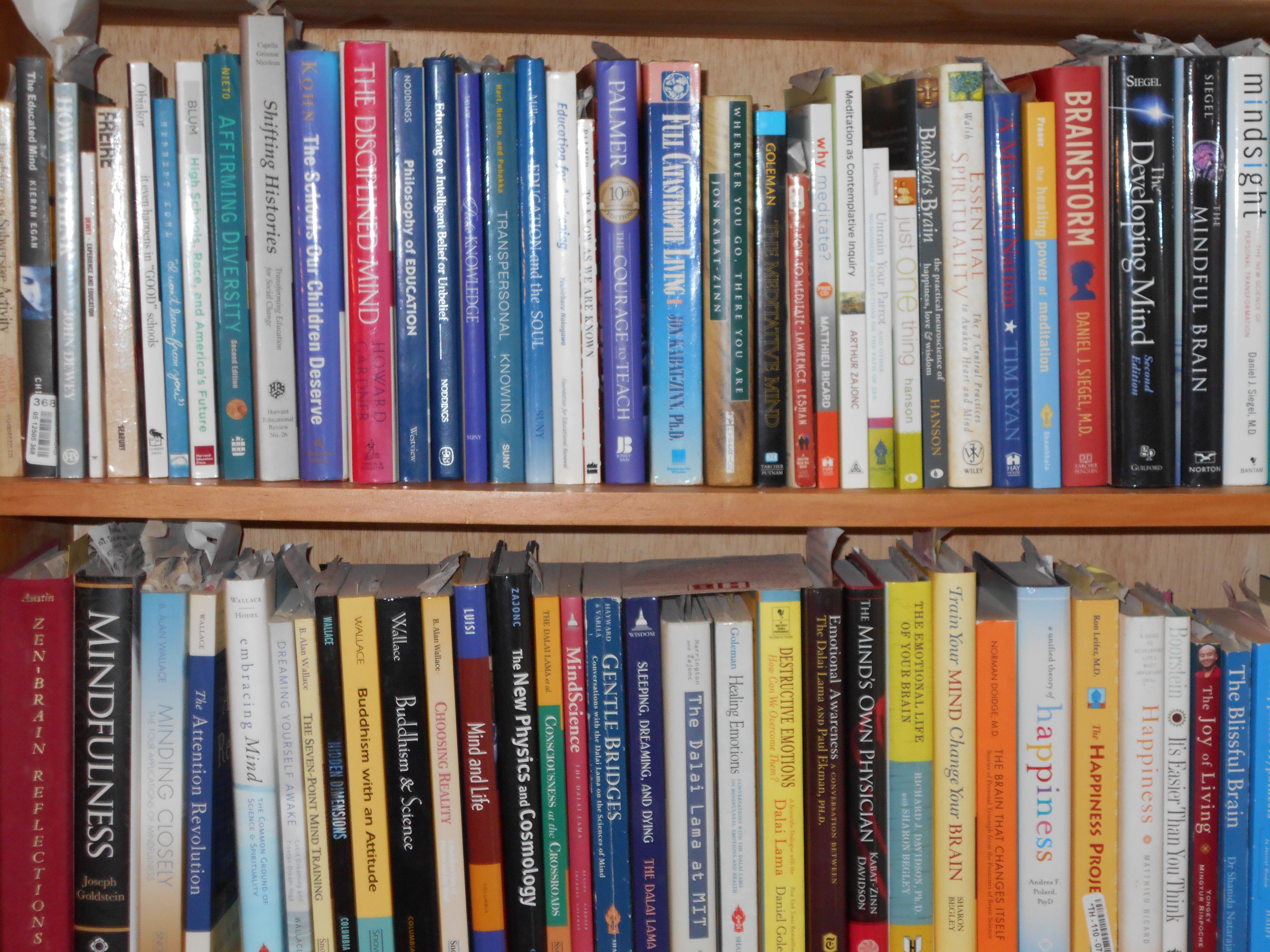
I like bookstores, especially when I feel like browsing or am not sure exactly what I want to read. There is a sense of mystery in browsing. As I look, I discover my own heart and mind. I discover what grabs my attention. When I am really awake, I walk into a bookstore and there, on the display table, is a book that answers some question that has been nagging me or fulfills some desire for adventure.


But bookstores are disappearing. The light they represent is winking out. Some evil force is stealing their light. Some might say this is a good thing. Another form of consumerism is gone. Another reason for cutting down trees is ended. I love trees and breathing, so I certainly would like to limit tree cutting.


But the loss of bookstores can lead to several negative results. An article in the New York Times called Our (Bare) Shelves, Our Selves, by Teddy Wayne, recently spoke to the negative consequences of this disappearance. Not only bookstores are disappearing, but books, records, CDs are disappearing in homes. Children today no longer get to see the musical or literary history of their parents displayed on their shelves or in their collections. Teddy Wayne cites research that supports the view that children who grow up without books in their homes are likely to not do as well in school—adjusting for economic and other factors (I presume).


There are still school and public libraries, outposts of adventure and wonder. Yet, they too are going more and more digital. Without a library of displayed choices to wander through that you can hold in your hand and explore, is it more difficult to know what is available and what is possible? I hope the new ebooks are as satisfying for other people as the paper ones are for me. Online the number of choices of what to read is so vast it can make it too easy to decide to simply read what’s popular and what your friends read. This can result in feeling the universe of choices narrowed to what is in vogue now. You easily feel alienated if what’s popular does not fit with who you think you are.


When school standards emphasize STEM subjects (math and science) and diminish literature and history, or emphasize nonfiction in English classes and reduce the reading of fiction, the same narrowing of focus in time and possibility can occur. Literature is not just a good story, not just a sideline to a good education. It is vitally important. It is an entrance into the lives, viewpoints, and possibilities exhibited by other people of distant time periods and cultures that could not be accessed as well any other way. History is not just a descriptive list of what happened in other places and times. It is a narration of the human mind and heart extended over vast periods of time. It reveals the roots of the present so the range of possible actions now and in the future are expanded. It also reveals how actions in the present create future situations and how what you think is possible shapes the range of political and social power you exercise. Without a sense of history, you can feel the problems of today have always been there, so why bother to act to change anything.


I was lucky. I grew up in a home filled with books and live now surrounded by them. I also grew up with a sense that each person has some responsibility for shaping the world we live in. I hope we don’t make the mistake of depriving our children of these opportunities and depriving them of a sense of empowerment and responsibility.