

It took 16 months before I could get an appointment with a specialist that I needed for a complex and unusual medical condition. 16 months of increasing symptoms and of not-knowing– or of knowing there’s something living inside me whose face I could not see. 8 months to get the test I needed. Then 8 more months before I could see the doctor to explain the results and formulate treatment plans. Is this an example of a humane and well-functioning health care system in the supposedly richest nation in the world?
And there are so many inequities. I have good insurance. I am white and middle class. What might others who are not so privileged face? And so much paperwork, steps to slough through, high insurance payments.
The clinic I went to, the Cleveland Clinic, was wonderful. Like the care people report at the Mayo Clinic, the Langone Center at New York University, UCLA Medical Center, or Massachusetts General Hospital, these places are associated with teaching institutions; the doctors see a wide variety of patients and get to learn from a wide variety of fellow practitioners. Each doctor I saw showed not only care but competence. They were also wonderful human beings. Many local doctors are also tremendously compassionate, but they didn’t know what to do with me. As some said, I was a mystery. I did not fit in any of the usual categories. It’s good to stand out, they said, but not this way.
And what we can’t understand, we often reject or hide from. When I never got better from any treatments the local doctors offered; and after test after test revealed only peripheral problems, but never the core, some acted as if I, my personality maybe, was the problem. These doctors could think, and think well, but they were limited by their training and experience to only a narrow area of concern. Instead of doing everything they could to truly explore the symptoms wherever they led, many focused on simply checking off a checklist. And they often recognized this. They asked that when I did get a diagnosis, I should share it with them.
I know many people complain about doctors and dread going to see them, which I deeply understand. They feel vulnerable, in pain, and don’t like it. But for me, even after all the disappointments, I was still ready for a revelation. Going to the doctor meant there was a possibility of insight and a reduction of pain. So, for each appointment, I was excited. I prepared; I tried to make the visit count. I researched symptoms and possible treatments, wrote out questions and a list of medications. Before entering the office, I focused on my breath, the feel of my feet on the ground, or on the quality of my awareness right then. And finally, at the Clinic, one doctor said he had seen other people with what I had. I had a diagnosis. I felt redeemed.
Yet even at the Cleveland and the other Clinics, problems are increasing. They used to employ a multidisciplinary team approach to treating complex illnesses. No longer; they just don’t have the staff. And here, after being hospitalized last year, a local doctor promised they’d form a team to work to diagnose and treat my condition. Never happened.
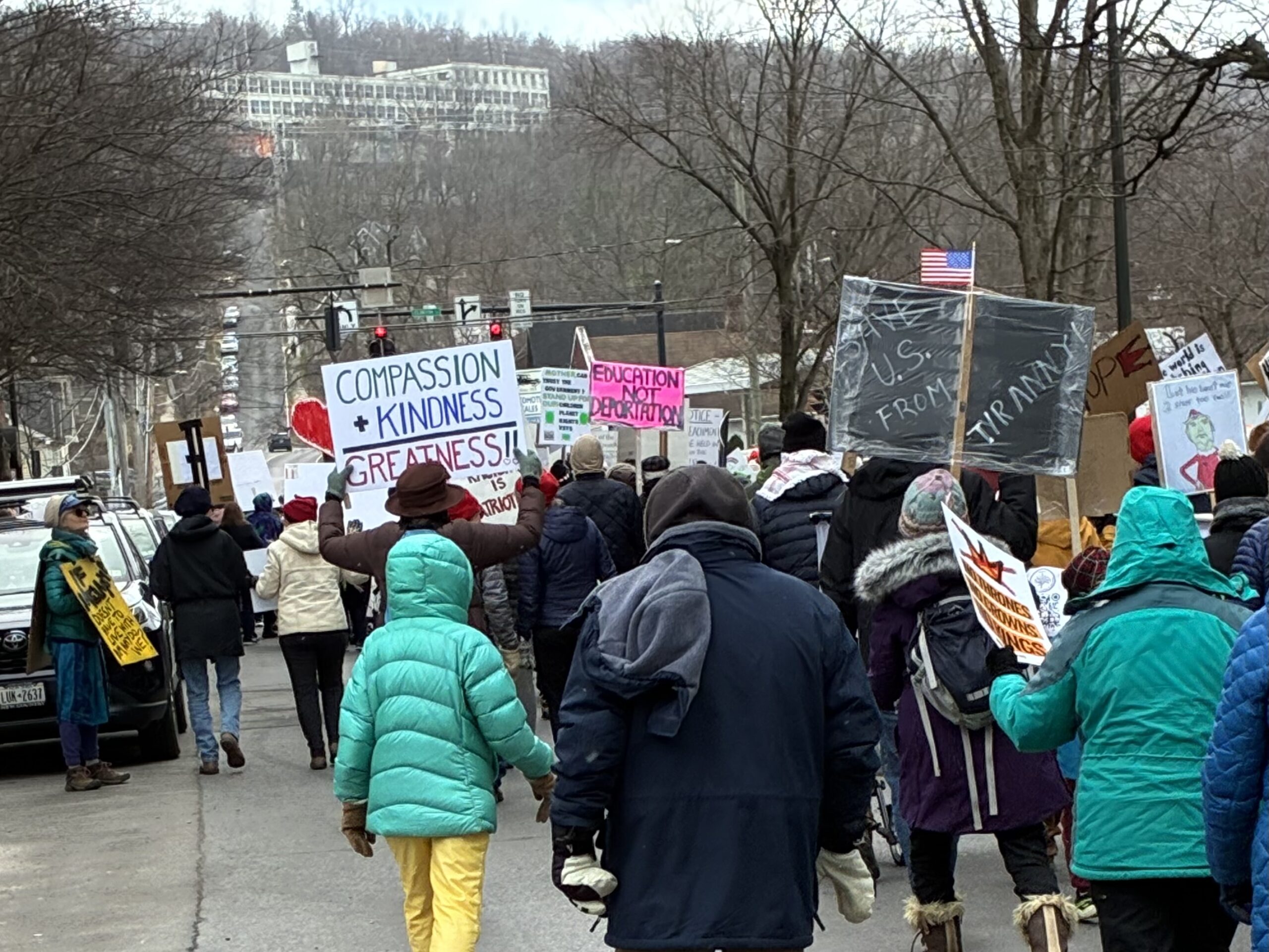
What we in the U. S. are now facing under DT is the seemingly intentional undermining of healthcare. This administration is not only attacking MEDICAID and the Affordable Care Act or any federal health insurance assistance. They’re also attacking our healthcare from multiple directions. For example, there just aren’t enough doctors. This shortage has been getting worse for years, with the pandemic accentuating the problem. Yet DT has cut funding for universities, including medical training. Over a quarter of our doctors are now from other countries, many “third world” countries. Two of the five doctors I saw at the clinic were not born in the U. S.
Much of our health care, not only doctors but nurses, technicians, etc. is by immigrants….
*To read the whole post, please go to The Good Men Project.