
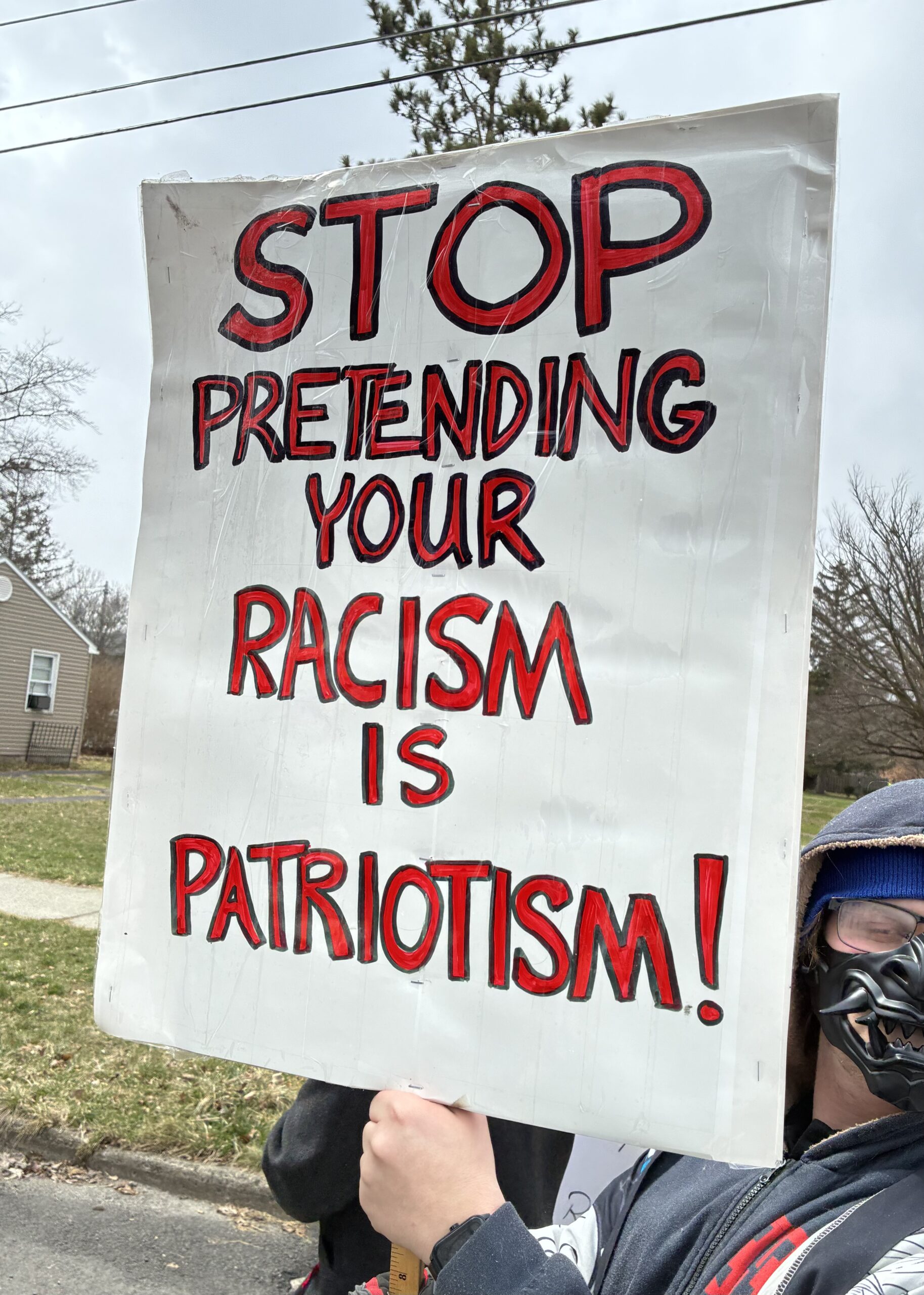

For some reason, or maybe thousands of reasons, the actions of Louisiana governor Jeff Landry were just too much for me. He suspended an election. He stopped Congressional primary elections in his state from going forward, even though thousands had already voted. Why? So, he could redraw maps of election districts and prevent the interests of Black people, and Democrats, from being represented. He wants no more Black majority districts. White majority and Republican districts, yes. But Black, no. He stops an election solely to stop democracy. This is too much.
And there’s the GOP in Tennessee eliminating the one majority Black and Democratic House District in the state. They’re disenfranchising black voters and trying to give DT and his party an additional seat in the House. And it’s being done right in our face. Obvious. Blatant.
This racist, autocratic manipulation was made possible by the recent Supreme Court decision in Louisiana v Callais which further undermined the Voting Rights Act’s ability to counter discrimination in the construction of election districts. DT’s Republican Party is flat out doing all it can to stop a fair election in 2026 and forever afterwards. They fear us voters. They fear democracy. They fear they will lose badly unless they do everything possible to control the election outcome beforehand.
And I can’t help but think Landry’s action is just a practice run for November. It’s what DT is possibly planning if or when his party loses the House and Senate. During an interview with Reuters News Service back in January, he hinted at it out loud. According to Reuters: “He boasted that he had accomplished so much that ‘when you think about it, we shouldn’t even have an election.’” In the previous week, he briefly mentioned “cancelling” the 2026 elections to House Republicans.
Propublica published a report exposing several efforts DT is using to prepare to overturn the will of the voters in the midterms and dictate future election results. One notable example is he fired 75 federal officials in the DHS and DOJ tasked in 2020 and before that with safeguarding elections. Then he fired the professionals and replaced them with people loyal only to him, not the constitution. Ten of those appointees had worked to overturn the 2020 election. He also gutted the Cybersecurity and Infrastructure Security Agency which worked to counter false claims about the election being hacked.
I don’t know what will happen. No one does. All we have is right now, what we see and know in this moment, and our plans and intentions for the next. Now, we have a chance. There are millions in this with us. The No Kings marches mobilized 8 million people. 15-20 million people took part in the Black Lives Matter demonstrations in the summer of 2020. Other countries had mass demonstrations to fight for freedom and justice. In June 1987 there was the Democracy Struggle in South Korea; in 2004, the Orange Revolution in Ukraine protested election fraud, forced a re-vote, and ushered in democratic reforms.
John Pavlovitz wrote an article published on April 4th by the Good Men Project asking if Americans were too lazy to stop a dictatorship. Are we too distracted, too lost in phone screens, and running so much on autopilot we lack the patience to maintain a struggle, even one to save our own freedom? To save our nation and planet? Or so we might mistakenly think. Despite the world being on fire, for too many of us everything looks perfectly normal– pickleball courts are full, weekend parties in full swing. We need to look deeper at our world and ourselves in order to better discern what’s here and what’s possible
I shuddered reading Pavlovitz’s article, with both fear and a sense of self-questioning, despite recently writing two blogs expressing similar warnings and analysis as his. Do I personally have the determination and courage, the attention span to continue the struggle?…
*To read the whole blog, please click on this link to The Good Men Project. Thanks.